Feedback Cycles in Player Analytics Directing Mobile Baccarat Incentives at Peak Activity Windows
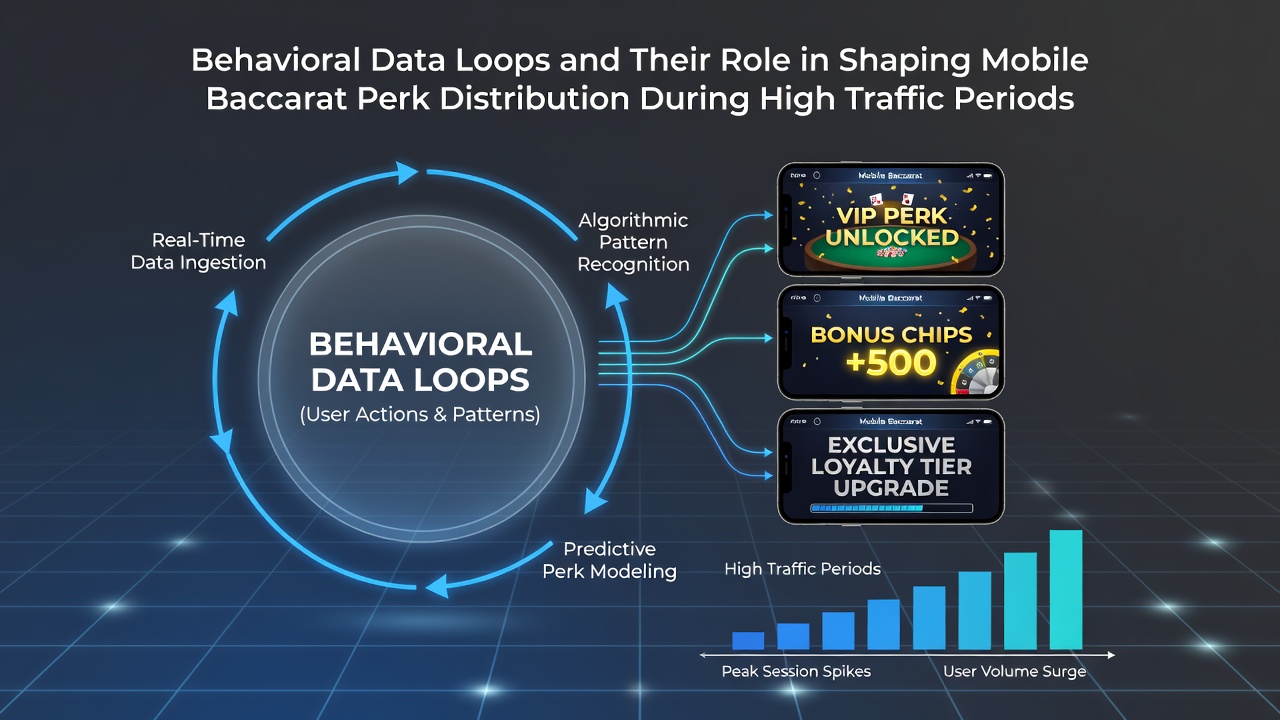
Behavioral data loops operate as continuous systems where mobile baccarat platforms gather session metrics, process them through algorithms, and return tailored incentives that influence subsequent player actions, creating ongoing cycles that intensify during high traffic intervals such as evening rushes and weekend surges. These loops rely on real-time inputs including bet frequency, device switches, and session length to adjust reward triggers without manual intervention.
Core Components of Data Collection in Mobile Environments
Platforms capture signals from every interaction on portable devices, ranging from wager sizes in live dealer tables to navigation patterns between game variants, while timestamps mark activity spikes that often coincide with global events or regional holidays. Researchers at institutions tracking digital gaming note that data streams intensify when concurrent users exceed typical thresholds, prompting servers to prioritize processing for segments showing repeated logins or escalating stake patterns. This collection phase feeds directly into storage repositories that retain historical sequences for comparison against current high-volume periods.
Device transitions add another layer, as players shift from tablets to smartphones mid-session and the system logs these changes to refine location-based or time-sensitive triggers. In November 2026, traffic logs from major operators indicated elevated volumes during holiday-adjacent weekends, with data loops registering increased cross-device activity that correlated with adjusted incentive timing.
Formation and Operation of Feedback Loops
Once raw metrics enter the analysis stage, algorithms identify recurring patterns and generate predictions that determine which players receive immediate perks such as deposit matches or risk-free rounds. The output then influences player behavior, which in turn supplies fresh data to restart the cycle, and this closed structure allows platforms to scale responses during crowded intervals when manual oversight becomes impractical. Observers note that loops gain efficiency when traffic density rises because more data points accelerate pattern recognition and reduce latency between detection and offer deployment.
Studies from the University of Nevada Las Vegas gaming research division demonstrate how loop iterations shorten response times from minutes to seconds when session counts climb above baseline levels. The process incorporates machine learning models trained on prior high-traffic events to forecast which behavioral clusters will respond to specific perk types, thereby allocating resources toward segments most likely to extend play.
Timing and Customization of Perks Under Load
High traffic periods create conditions where loops prioritize speed and relevance, delivering offers such as instant cashback on losses or tiered loyalty boosts within narrow windows that align with observed peak engagement. Data indicates that baccarat participants using mobile interfaces during these windows encounter customized triggers more frequently than during off-peak hours, because the volume of inputs allows finer segmentation. Platforms adjust distribution caps dynamically, raising or lowering maximum rebate amounts based on aggregated loop outputs that reflect current server load and player density.
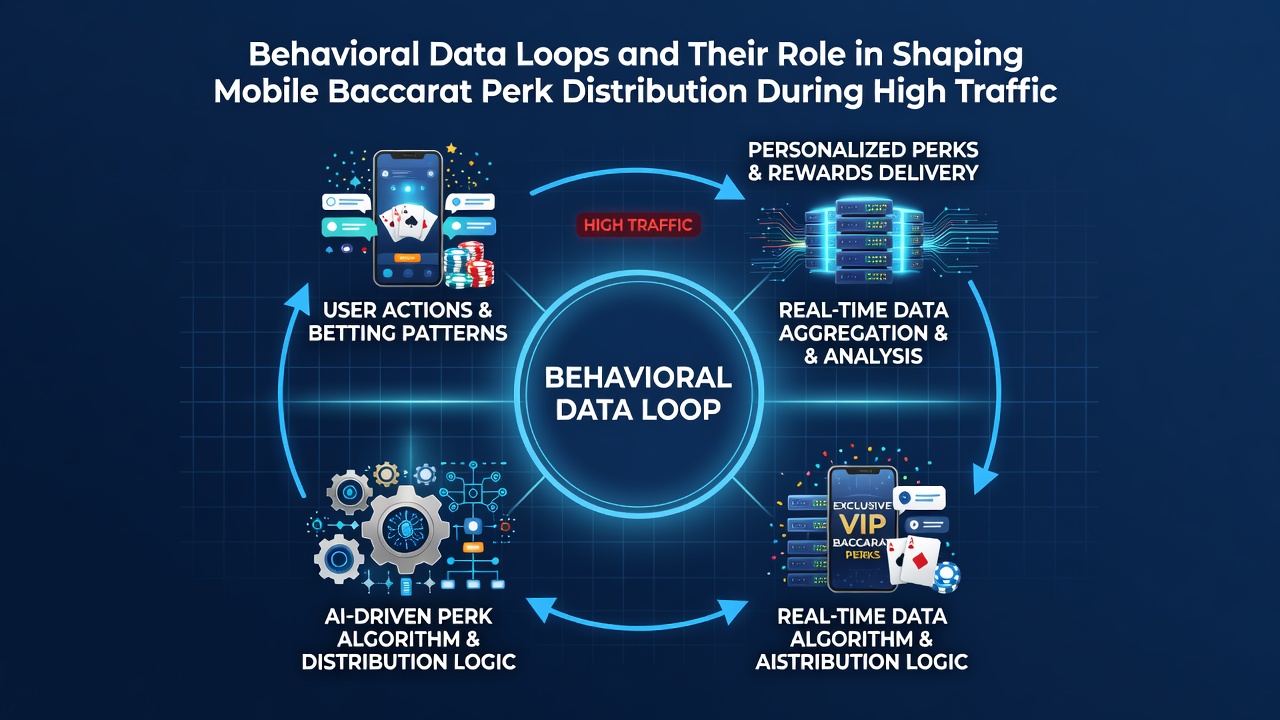
One documented case involved operators in regulated markets who observed that loops triggered loyalty point multipliers precisely when players completed multiple consecutive rounds without breaks, and this timing increased retention metrics across tracked cohorts. External reports from the Nevada Gaming Control Board have recorded corresponding rises in mobile baccarat handle during periods when such automated systems operated at full capacity.
Regional Adaptations and Regulatory Context
Different jurisdictions impose varying constraints on how loops may process personal data, leading platforms to modify collection scopes while maintaining core feedback functions. In markets overseen by bodies such as the Malta Gaming Authority, emphasis falls on transparency requirements that compel disclosure of automated decision factors, whereas other regions focus on responsible gaming thresholds that loops must respect during peak distribution events. These adaptations ensure compliance without halting the continuous data exchange that powers perk allocation.
Cross-border operators often maintain parallel loop variants tuned to local rules, allowing consistent performance even when traffic originates from multiple regulatory zones simultaneously. Figures from industry associations reveal that November 2026 saw coordinated updates across several platforms to align loop parameters with seasonal traffic forecasts.
Conclusion
Behavioral data loops function as integrated mechanisms that collect, analyze, and act upon mobile baccarat metrics to shape perk distribution precisely when traffic volumes peak. Their operation depends on sustained input flows and algorithmic refinement, producing outcomes that adapt to device usage, session patterns, and regulatory boundaries. As platforms continue refining these systems, the cycles remain central to managing incentives efficiently during periods of elevated activity.